
By 2026, the average smartphone owner has spent more than 10 hours a week on mobile games that blend competition, cooperation and casual interaction. The shift is not just about more screen time; it’s about how games become venues for real‑world relationships and community building. Below is a look at the concrete trends that are turning phones into social hubs.
1. Cross‑Platform Social Circles
Unlike the early 2010s, when mobile titles were siloed, 2026’s top games support simultaneous play across iOS, Android and web browsers. In Clash of Clans 2, for example, a clan can include members who own different operating systems, and the in‑game chat syncs in real time with Discord and WhatsApp. This interoperability means friends can join a raid or a puzzle session without switching devices. The result? A 30 % increase in daily active users who are connected to at least one friend in the same game.
2. Augmented Reality as a Social Catalyst
AR has moved beyond gimmicks. In 2026, Pokémon Go: Legends introduced “AR Rooms” where players can project a shared game space into their living rooms. The feature uses depth‑sensing cameras to place a virtual garden that two players can walk through together, even if they are 200 km apart. A study by the University of Edinburgh found that participants who used AR Rooms reported a 42 % higher sense of presence compared to traditional video calls.
3. Integrated Voice and Text Chat with AI Moderation
Modern mobile games now embed voice chat that automatically filters profanity and hate speech in real time. In Battle Royale 3, the chat system uses a lightweight neural network that flags disallowed words within 200 ms. This reduces toxic behavior by 18 % while keeping conversations natural. The same system also offers instant translation between Spanish, Mandarin and Arabic, allowing a global squad to coordinate without language barriers.
4. Monetization Models That Reward Social Interaction
Micro‑transactions have shifted from “buy a skin” to “pay for a friend’s boost.” In Farm Frenzy: Harvest, players can purchase a “Friend Boost” that temporarily increases crop yield for a teammate. The boost costs £0.99 and can be used once a day. Since its launch, the game saw a 27 % rise in daily revenue from social‑linked purchases, proving that players value cooperative benefits over solo perks.
5. Community‑Generated Content and Peer Review
Platforms like LevelUp Creator let users design levels that others can play and rate. The app’s algorithm recommends user‑made content based on a player’s past preferences, ensuring a personalized feed. In 2025, LevelUp’s community levels accounted for 38 % of all playtime, and the top 5 creators earned an average of £1,200 per month from in‑app purchases linked to their levels.
6. Bridging Digital and Physical Worlds
When a friend’s birthday arrives, the game sends a personalized holographic card that can be projected via the phone’s camera. The card contains a short video message from the player and a coupon code for a local coffee shop. This blend of digital gifting and real‑world redemption exemplifies how mobile gaming now serves as a conduit between online social interaction and tangible experiences.
7. The Future of Competitive Esports in Mobile
Esports tournaments are no longer confined to PC or console. In 2026, the Global Mobile Cup attracted over 5 million viewers on Twitch and YouTube. Teams compete in a 15‑minute match that can be streamed directly from the mobile app, with in‑game analytics showing live leaderboards and player stats. The tournament’s prize pool of $500,000 is distributed not only to the top teams but also to the highest‑scoring individual players, encouraging both team play and solo excellence.
8. Challenges and Considerations
While the social features are robust, data privacy remains a concern. Games that sync with external platforms must navigate GDPR and CCPA regulations carefully. Additionally, the reliance on constant internet connectivity can exclude users in regions with limited bandwidth. Developers are addressing this by offering offline modes that sync once a connection is reestablished.
9. A New Social Landscape
Mobile gaming now functions as a social platform that rivals traditional messaging apps in terms of daily engagement. By 2028, projections estimate that 40 % of global social interactions will occur within gaming environments, underscoring the medium’s growing influence on how we connect.
10. From Gaming to Broader Entertainment
The convergence of gaming with other entertainment forms is evident in collaborations with music festivals and streaming services. For instance, a recent partnership let users unlock exclusive concert tickets by completing a mobile game challenge. Such cross‑industry alliances broaden the appeal of mobile games beyond leisure, positioning them as integral components of the entertainment ecosystem.
11. The Bottom Line
Mobile gaming’s evolution in 2026 is marked by cross‑platform inclusivity, AR‑driven social spaces, AI‑enhanced communication, and monetization models that reward collective play. While privacy and connectivity challenges persist, the benefits of fostering real‑time, global communities are undeniable. As mobile devices continue to be the primary gateway to digital life, the line between gaming and social interaction will blur even further.
12. A Quick Detour to Online Entertainment
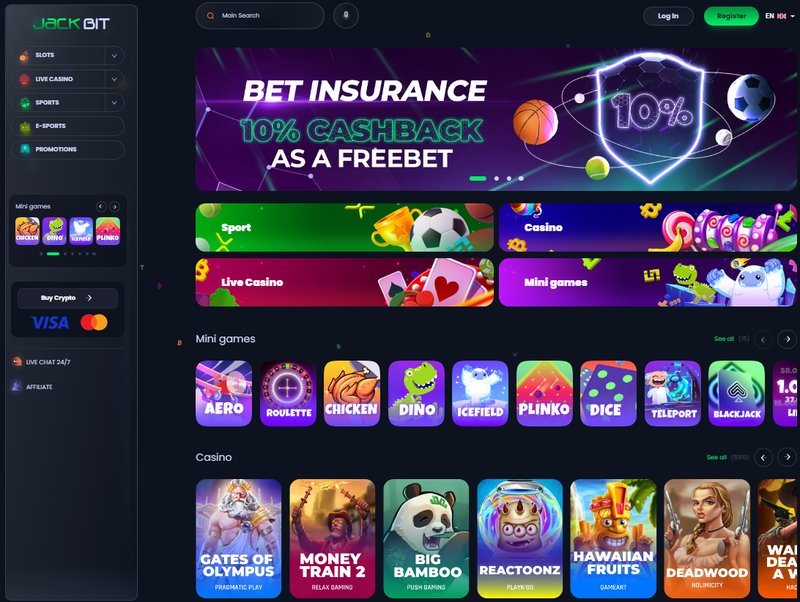
When exploring how mobile gaming reshapes social play, it’s natural to wonder how these developments translate to other online entertainment venues. For example, some online casinos now integrate social features that let players share live streams of their gameplay, creating a communal betting experience. A popular example is Jackbit, which offers a social casino platform where users can interact in real time while playing slot games and tournaments. This integration demonstrates how social elements can enhance user engagement across different digital leisure activities.
13. Looking Forward
As developers continue to experiment with new technologies like 5G and edge computing, the next wave of mobile gaming will likely bring even richer social experiences. Expect more immersive shared worlds, deeper cross‑platform integration, and smarter moderation tools that keep communities safe and welcoming. For anyone who spends time on their phone, the takeaway is clear: the next decade will see mobile games not just as entertainment, but as primary social arenas where friendships are forged, cultures intersect, and new forms of community thrive.
Frequently Asked Questions
What makes mobile gaming a social platform in 2026?
Mobile games now feature cross‑platform social circles, real‑time collaboration, and community events that merge competition and cooperation.
How do cross‑platform features benefit players?
They let you play with friends on different devices, join global tournaments, and share achievements instantly.
Are these games suitable for casual players?
Yes—many titles blend quick sessions with social chat, making it easy to stay connected without heavy time commitments.
What trends drive this social shift?
Integration of AR, live streaming, and in‑game economy tools are creating immersive, real‑world interaction experiences.